Keeping Existing Downtown Merchants Through Revitalization
Downtown revitalization often displaces the merchants who survived the downturn. Here's how boards can retain existing businesses and create pathways for entrepreneurs to stay and grow.


Downtown revitalization often displaces the merchants who survived the downturn. Here's how boards can retain existing businesses and create pathways for entrepreneurs to stay and grow.
DDA boards regularly face situations where a member benefits from board decisions. Here's how to structure disclosure, recusal, and governance to protect public trust and prevent legal problems.
Georgia's historic preservation tax credits represent one of the largest downtown financing tools available. Here's how boards use them, why they work, and what to watch for.
A practical look at when downtown events create lasting district value and when they mostly generate temporary foot traffic without durable redevelopment impact.
A practical Georgia-focused guide to what hotel-motel tax revenue can realistically support, and where local boards should avoid treating it like a general downtown redevelopment fund.
A practical checklist for local boards that need to evaluate software risk without pretending every board member is a security expert.
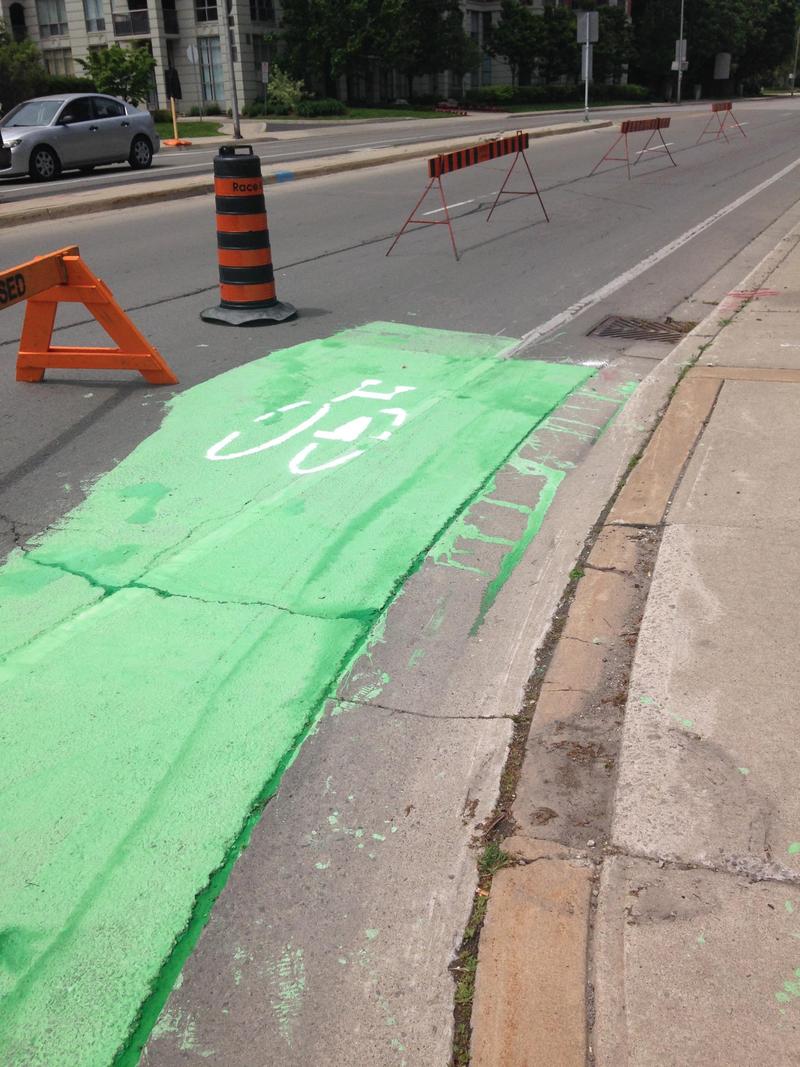
A Georgia-focused guide to using low-cost tactical urbanism pilots to validate streetscape and downtown capital projects before committing permanent funds.
Seventeen years of self-funded startup discipline, doing more with less, cutting waste, and building for performance, translates directly to how public boards should manage technology spending and operations.
A practical Georgia-focused guide to structuring downtown public-private partnerships without tripping over legal or financial pitfalls.
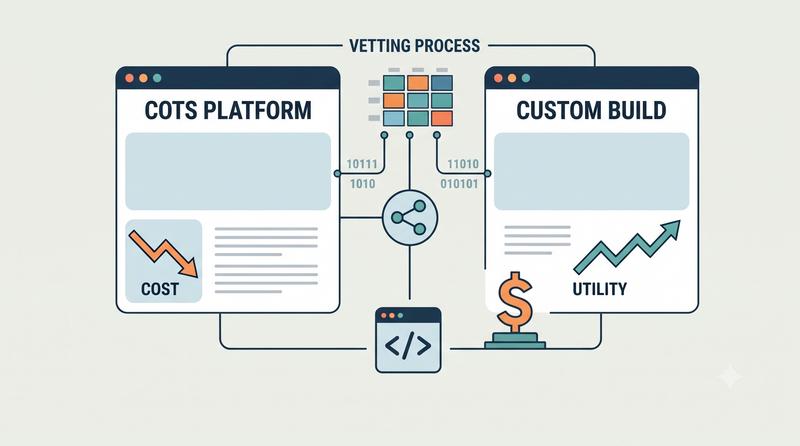
Tech jargon and vague vendor promises often lead to budget overruns or unusable systems. Here is a framework for vetting software proposals and protecting public dollars.