18 posts in

Economic Development

Political Palatability: The Fifth Filter of Highest and Best Use in Small Towns

When small towns judge highest and best use, they need a fifth filter: political palatability. A project that's legal, physical, financial, and productive can still fail if the public won't support it.

How Downtown Boards Should Track and Measure Success

A vision plan doesn't tell you much if nobody measures the results. Here's how downtown boards can track whether revitalization is actually working.

Keeping Existing Downtown Merchants Through Revitalization

Downtown revitalization often pushes out the merchants who survived the downturn. Here's how boards can hold on to existing businesses and give local entrepreneurs a way to stay and grow.

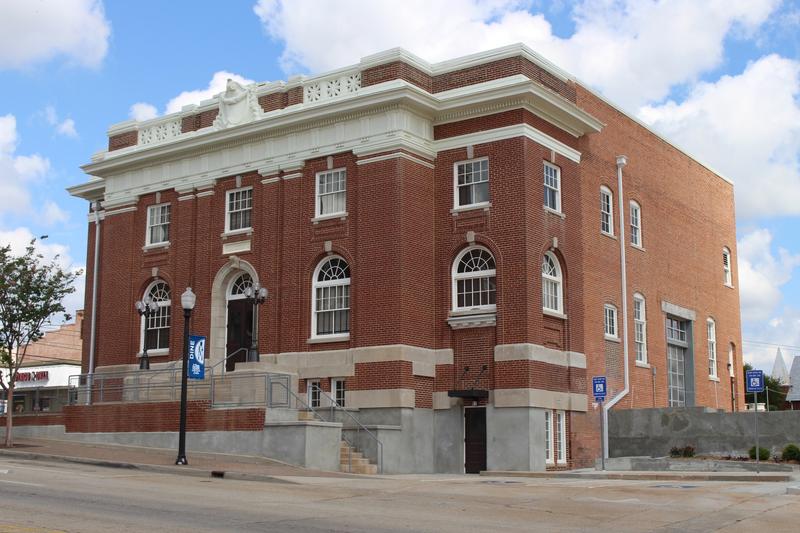
Historic Preservation Tax Credits and How Georgia Boards Use Them

Georgia's historic preservation tax credits are one of the biggest downtown financing tools out there. Here's how boards use them, why they work, and what to watch for.

When a Downtown Event Strategy Builds Economic Development, and When It Doesn't

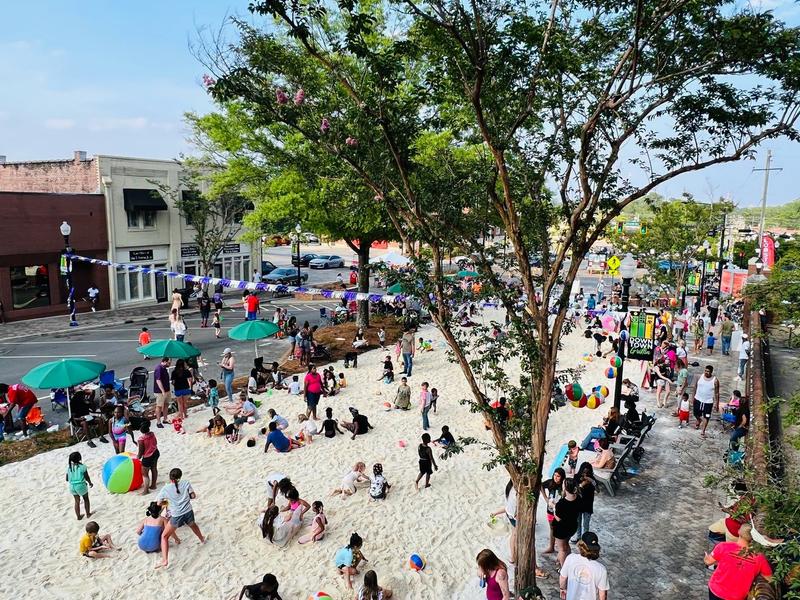
When downtown events build long-term value for a district, and when they mostly bring in a crowd for a night without moving redevelopment forward.

How to Use Hotel-Motel Tax Revenue Without Confusing Tourism With Redevelopment

What hotel-motel tax revenue can realistically pay for in Georgia, and where local boards should stop treating it like a general downtown redevelopment fund.

Test Before You Build: Using Tactical Urbanism to Prove Downtown Capital Projects (Georgia Edition)

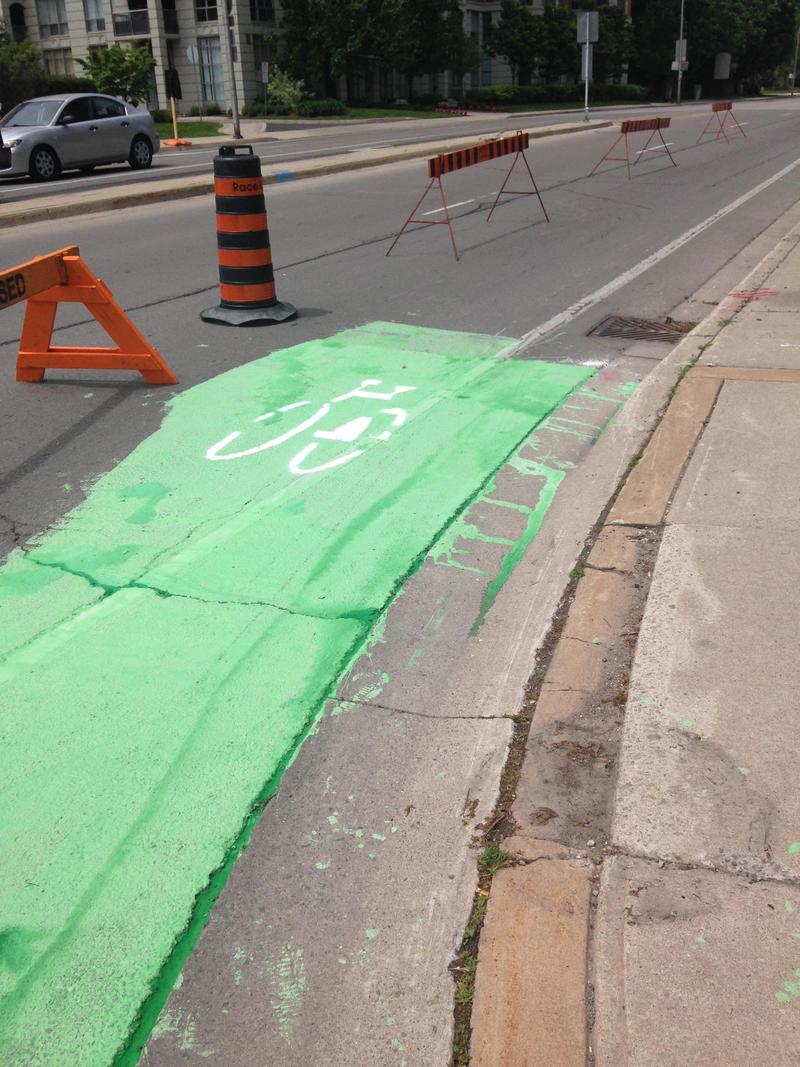
How Georgia downtowns can use low-cost tactical urbanism pilots to test streetscape and other capital projects before committing permanent funds.

Structuring Public-Private Partnerships in Georgia Downtown Projects

A Georgia guide to structuring downtown public-private partnerships without tripping over legal or financial pitfalls.

Tax Allocation Districts: The Best way to fund a DDA for Downtown Revitalization

Regular DDA funding shifts with politics, and grants come with rigid rules. A Tax Allocation District captures the value a board creates and puts it back into the district.

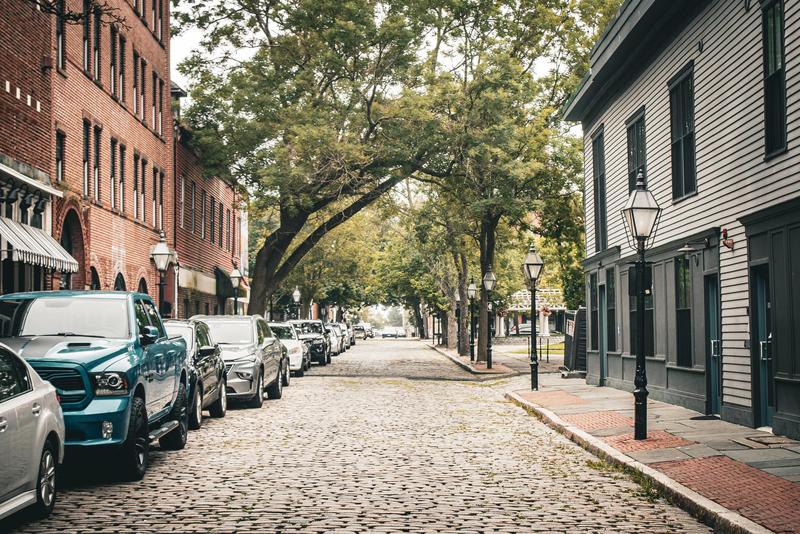
Walkability as Economic Infrastructure: Measuring ROI for Streetscape Investments (Georgia Edition)

How Georgia downtowns can treat sidewalks, street trees, and streetscape work as economic infrastructure, and how to measure what it returns.

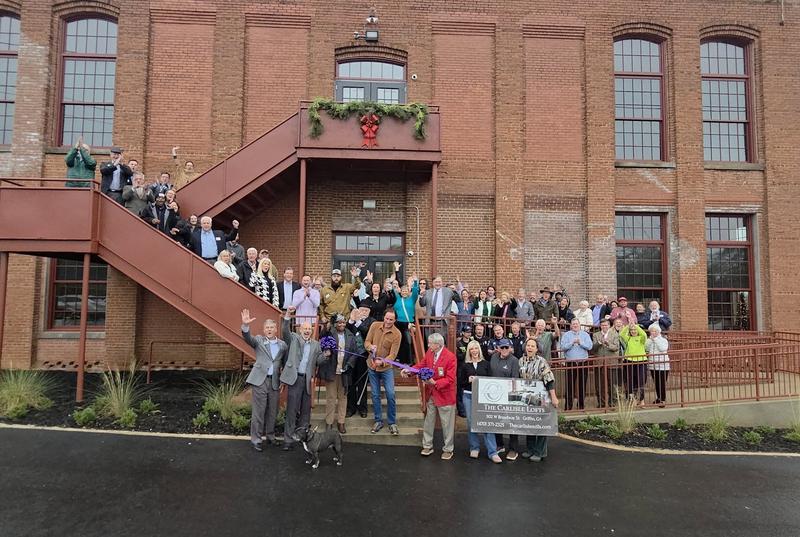
PILOTs and Bond-for-Title Deals: How Georgia DDAs Structure Property Tax Abatements

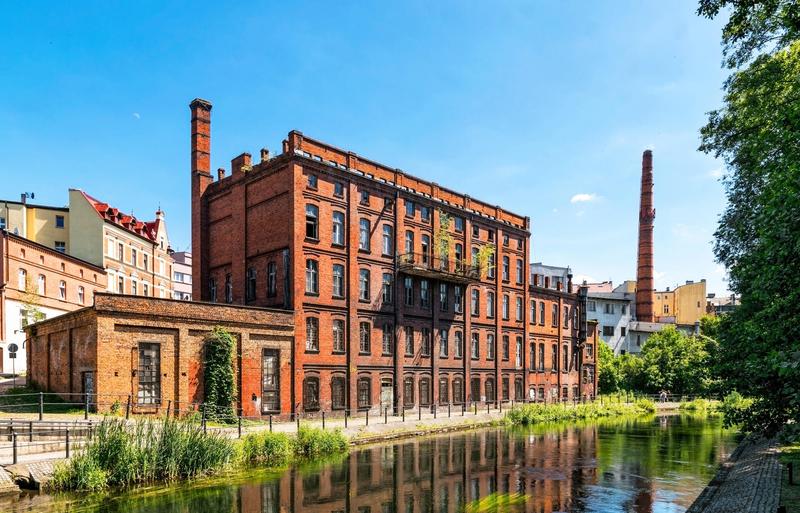
How Georgia DDAs use leasehold structures, PILOT agreements, and bond-for-title transactions to create lawful property tax abatements, with a real Downtown Griffin mill redevelopment as the example.

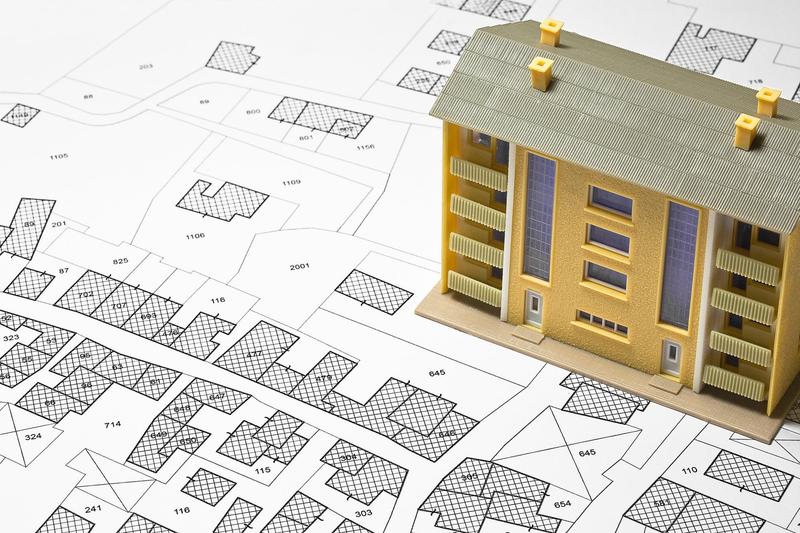
Unlocking Abandoned Lots: A Georgia Guide to Land Banks and Infill Development

How Georgia communities can use land banks, in rem foreclosure, and redevelopment agreements to return abandoned lots to productive use.

Using Drones for Downtown Economic Development and Property Inspections

Drones cut inspection costs, make properties easier to market, and give downtown boards high-resolution images to base redevelopment decisions on.

Why Small Downtowns Need a Redevelopment Site Pipeline, Not Just a Vision Plan

The case for moving from big-picture downtown visioning to a live shortlist of real sites, real owners, and real next steps.

A Practical Playbook for Adaptive Reuse Deals: From Blighted Building to Bankable Project (Georgia Edition)

A Georgia-focused way to turn distressed downtown buildings into adaptive reuse projects a lender will finance.

The Georgia Rural Zone Playbook: How Small Downtowns Stack Three State Tax Credits

How small Georgia downtowns can use the Rural Zone job, investment, and rehabilitation tax credits to close financing gaps on redevelopment deals.

How Opportunity Zones and Enterprise Zones Work in Georgia Downtowns

How Georgia Opportunity Zones and Enterprise Zones differ, and when each one helps a downtown redevelopment strategy.

Why Small Downtown Parking Studies Often Solve the Wrong Problem

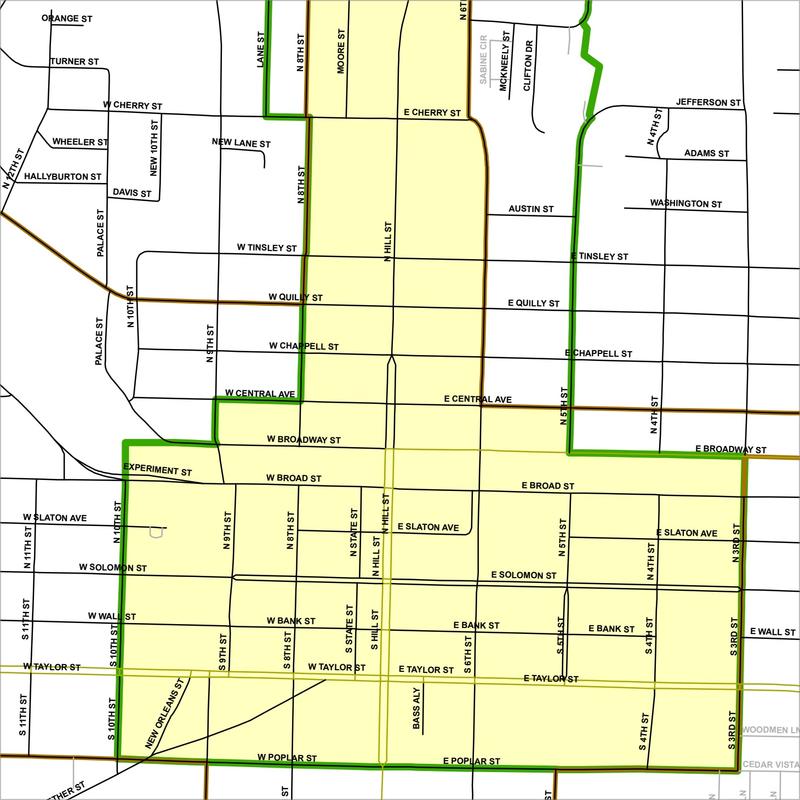
A Georgia-focused case for treating downtown parking as a management and walkability issue before you spend public money on more spaces.