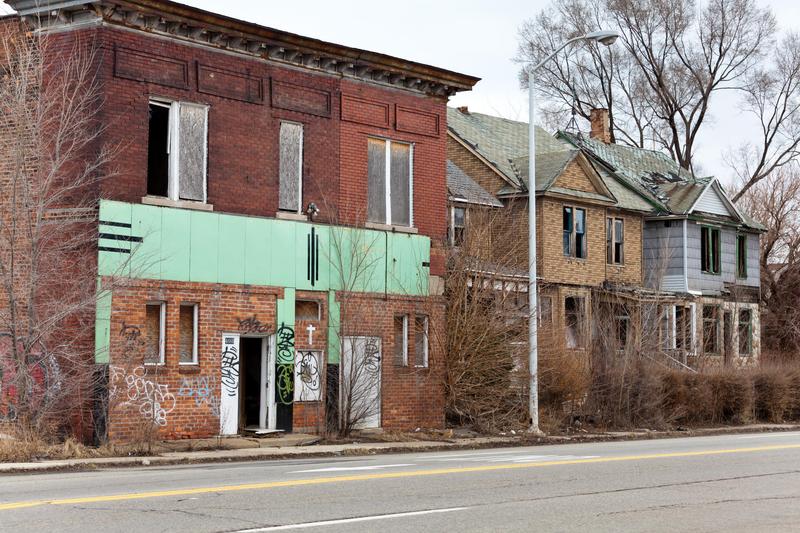
Small downtowns love plans. They commission master plans, catalyst plans, mobility plans, market studies, and design studies. Some of that work is useful. But too often the process stops at the moment when implementation is supposed to begin.
That is why many downtowns have a strong narrative about where growth should happen and almost no operational system for making that growth real. A plan may identify target blocks, underused buildings, and catalytic intersections. But if no one is actively managing a short list of real sites, real owners, and real constraints, the plan remains mostly decorative.
1. A Vision Plan Sets Direction. A Pipeline Creates Motion.
Smart Growth and Main Street work both emphasize that place-based revitalization succeeds through sustained implementation rather than aspirational design language alone [1][2]. A downtown site pipeline is simply the implementation version of a plan.
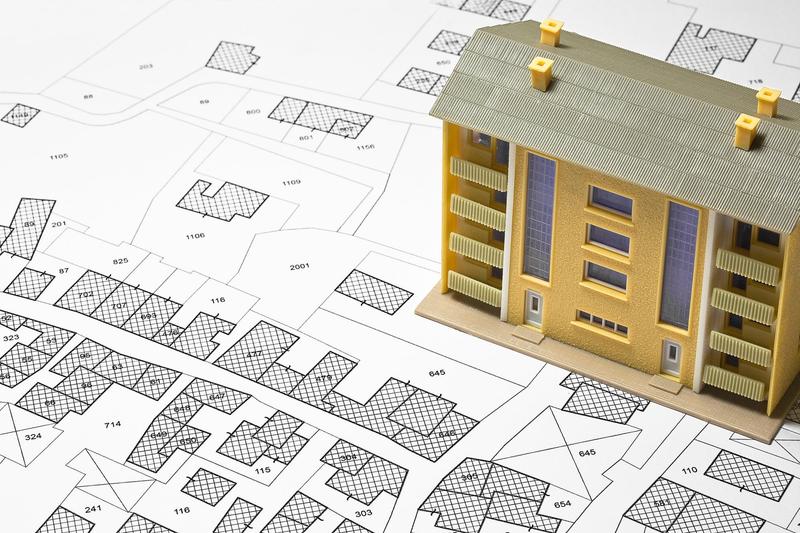
Instead of saying, “We need mixed-use infill somewhere near the square,” a pipeline asks:
- Which parcel?
- Who owns it?
- Is it tax delinquent?
- Is the owner interested in selling?
- Are there environmental concerns?
- What public tool would actually move it?
A redevelopment strategy gets real when it names addresses, owners, obstacles, and next actions.
2. What Should Be in a Site Pipeline
A useful downtown pipeline should track at least the following for each priority property:
| Field | Why It Matters |
|---|---|
| Address / parcel | Creates a specific focus instead of a vague district goal |
| Ownership status | Determines whether outreach, acquisition, or enforcement is possible |
| Physical condition | Clarifies likely rehab, demolition, or stabilization needs |
| Title / tax status | Identifies land-bank or legal intervention opportunities |
| Best-fit reuse concept | Keeps recruitment grounded in actual site logic |
| Public tool match | Links each site to the likely financing or authority mechanism |
| Next action | Prevents the pipeline from becoming a static spreadsheet |
That last category is the most important. Every site should have a current next move, even if it is as simple as “schedule owner conversation” or “update rehab cost estimate.”
3. Not Every Important Building Is Ready at the Same Time
One of the biggest implementation mistakes boards make is assuming every target building needs attention immediately. In reality, sites move through readiness stages:
- Awareness stage: the site matters, but ownership or feasibility is unclear.
- Relationship stage: the public sector is actively talking with owners or brokers.
- Tool-matching stage: staff or board leadership is identifying likely incentive and legal structures.
- Deal stage: a specific project, developer, or financing path is in play.
If you treat all sites as equal, the pipeline becomes unmanageable. If you sort them by readiness, a small team can stay focused on the sites most ready to move.
4. Pipelines Work Best When Tied to Real Tools
The most useful site pipelines go beyond inventory lists. They are linked to the public tools that may unlock each property:
- land bank action for tax-delinquent sites,
- DDA acquisition or lease structures for catalyst projects,
- TAD or infrastructure support where public improvements are the missing piece,
- or adaptive reuse and historic-credit analysis for older commercial buildings.
That is exactly why this site keeps returning to tools like land banks, adaptive reuse, and bond-for-title deals. The pipeline is where those tools become practical.
5. The Goal Is Not a Bigger List. It Is Better Movement.
Most small downtowns do not need twenty active catalyst sites. They need three to five that someone is moving intentionally, every single month.
Most small downtowns do not need twenty active catalyst sites. They need three to five that are being moved intentionally and consistently. A board that reviews the same small shortlist every month, updates status, and assigns next actions will usually outperform a board that keeps producing new plans without operational follow-through.
Vision matters. But in redevelopment work, momentum usually comes from a far less glamorous discipline: keeping a live list of sites and refusing to let them drift back into abstraction.
Frequently Asked Questions
It is an actively managed list of priority properties with known ownership, conditions, constraints, and next actions, rather than a general wish list of future projects.
A vision plan can set direction, but it does not automatically create site control, owner engagement, due diligence, incentive packages, or project-ready opportunities for developers.
Usually only a manageable handful. A focused pipeline of a few realistic priority sites is more useful than a long list that no one is actively advancing.
References
- Smart Growth Network. (2024). This Is Smart Growth. Smart Growth Network. https://smartgrowth.org/what-is-smart-growth/
- Main Street America. (2024). Main Street America Impact. Main Street America. https://mainstreet.org/about/main-street-america-impact