Small towns need a fifth filter when evaluating highest and best use, political palatability. A project that is legal, physical, financial, and productive can still fail if the public will not support it.
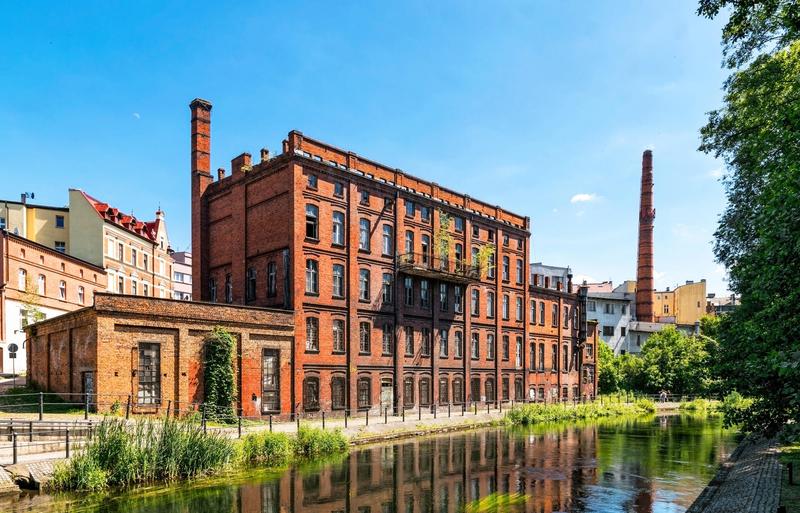
Georgia's historic preservation tax credits represent one of the largest downtown financing tools available. Here's how boards use them, why they work, and what to watch for.
A practical Georgia-focused guide to what hotel-motel tax revenue can realistically support, and where local boards should avoid treating it like a general downtown redevelopment fund.
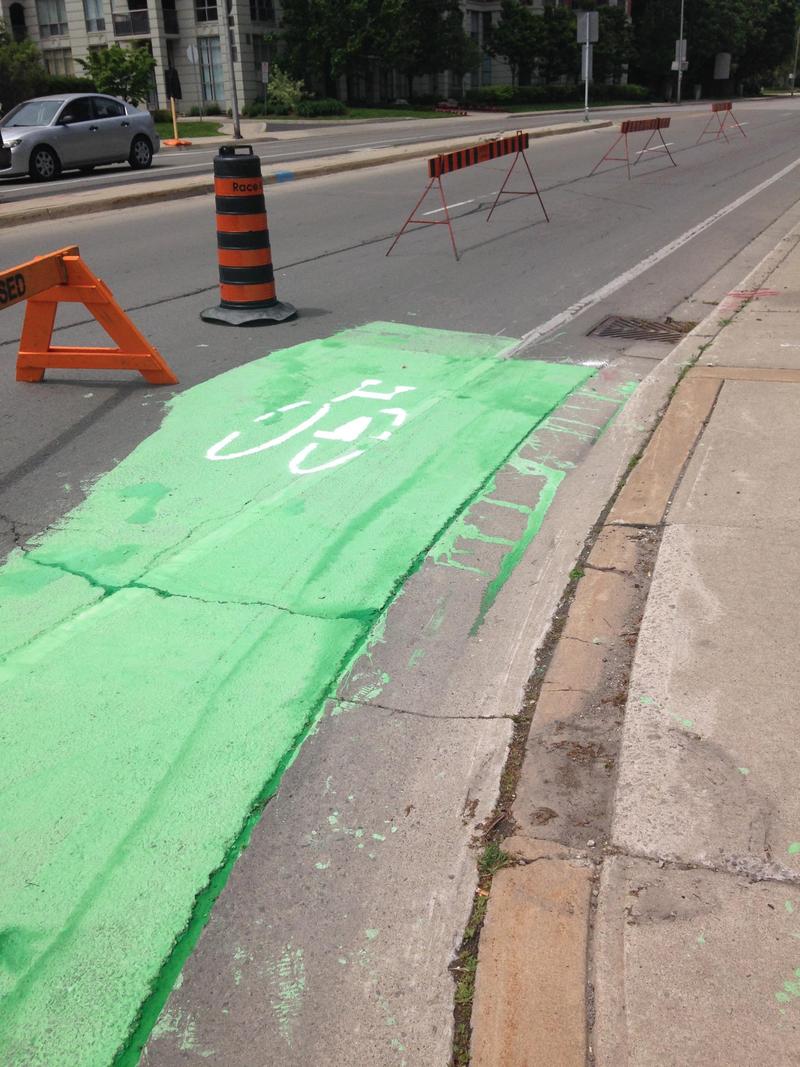
A Georgia-focused guide to using low-cost tactical urbanism pilots to validate streetscape and downtown capital projects before committing permanent funds.
Seventeen years of self-funded startup discipline, doing more with less, cutting waste, and building for performance, translates directly to how public boards should manage technology spending and operations.
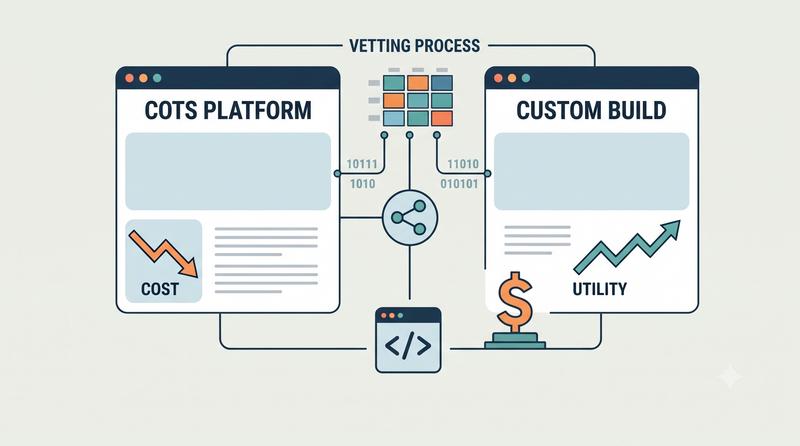
Tech jargon and vague vendor promises often lead to budget overruns or unusable systems. Here is a framework for vetting software proposals and protecting public dollars.
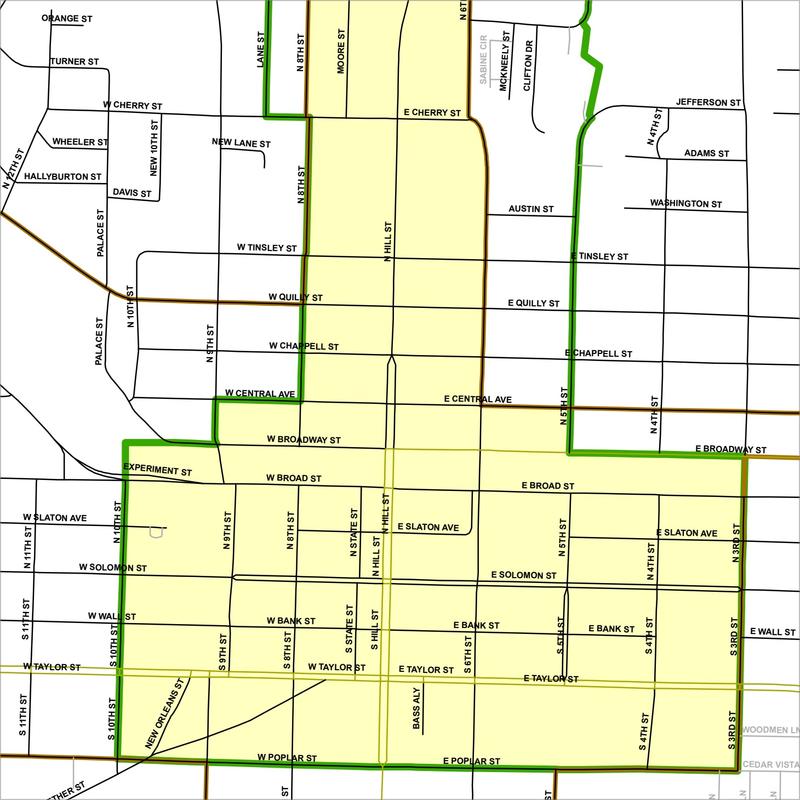
Traditional DDA funding shifts with politics and grants come with rigid rules. A Tax Allocation District directly captures the value a board creates and reinvests it into the district.
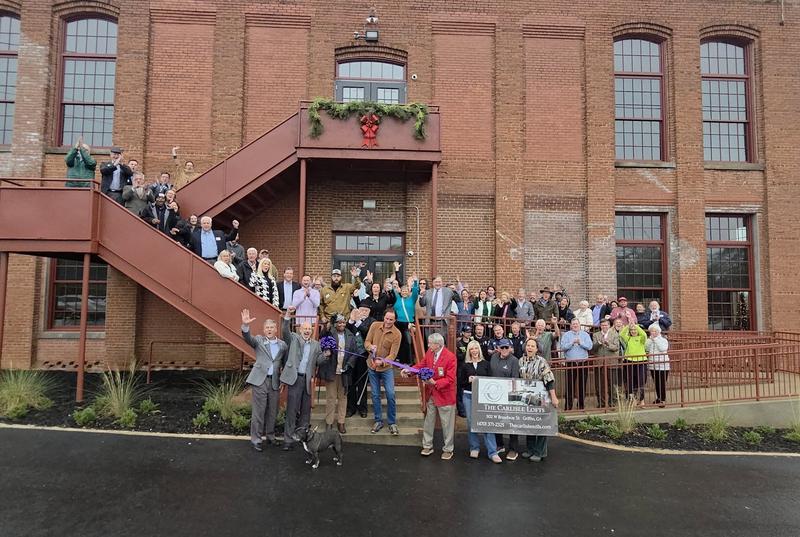
A Georgia-focused guide to how DDAs use leasehold structures, PILOT agreements, and bond-for-title transactions to create lawful property tax abatements, grounded in a real Downtown Griffin mill redevelopment.
A Georgia-focused guide to using Rural Zone job, investment, and rehabilitation tax credits to close financing gaps in small downtown redevelopment deals.