Downtown events are one of the most visible things a Main Street or DDA organization does. They create photos, crowds, sponsorships, and quick evidence that something is happening. That visibility is valuable. But it also makes events easy to overvalue.
The hard question is whether an event calendar is actually strengthening the district economy or just creating temporary activity. Those are not the same thing.
A downtown can be packed for one evening and still struggle the other 360 days of the year. Attendance is not economic development.
1. Crowds Are Not the Same as Economic Development
A downtown can be packed for one evening and still struggle the other 360 days of the year. If local leaders treat attendance alone as success, they can convince themselves a district is healthier than it really is.
Main Street America’s broader impact framework is not built around events by themselves. It points back to business activity, investment, organizational capacity, and place-based improvement [1]. Events matter most when they support those larger outcomes.
2. The Best Events Reinforce the District’s Identity
An event strategy works best when it does at least one of these things:
- Introduces new people to downtown businesses
- Creates repeat visitation habits
- Strengthens the district’s brand
- Activates a public space or redevelopment area that needs more regular use
If an event could happen in any parking lot, fairground, or suburban field without losing its meaning, it may not be doing much for the downtown specifically.
3. Measure the Right Outcomes
A serious event strategy should track more than attendance.
| Metric | Why It Matters |
|---|---|
| Merchant participation | Shows whether businesses are actually integrated into the event |
| Sales lift or merchant feedback | Tests whether foot traffic is translating into commerce |
| Repeat attendance patterns | Distinguishes novelty from habit formation |
| Sponsorship durability | Indicates whether the event has real community and private-sector support |
| District exposure for target spaces | Helps assess whether the event supports redevelopment goals |
That does not mean every small downtown needs perfect data. It means the board should be disciplined enough to ask whether the calendar is producing more than good photos.
4. Events Work Best When Connected to Place Improvements
Events often become more valuable when they are paired with investments in streetscape, walkability, public space, or storefront recruitment. That is because physical improvements make it easier for event energy to become everyday district value.
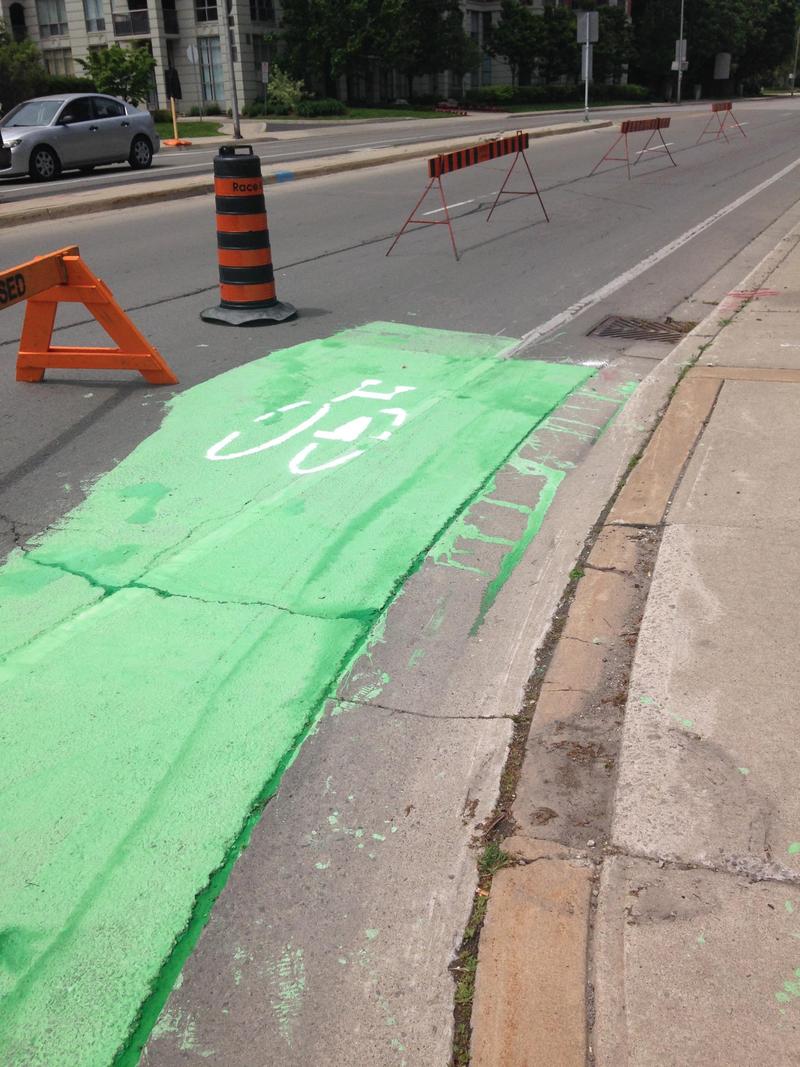
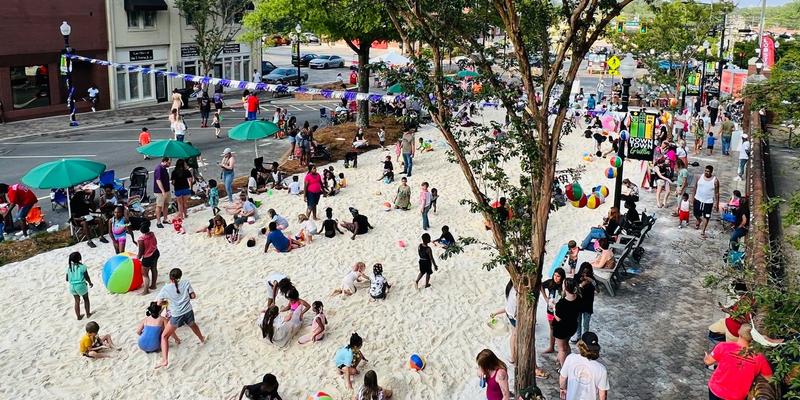
This is where event strategy overlaps with my posts on walkability as economic infrastructure and tactical urbanism. If an event helps test a plaza concept, expose a weak block face, or demonstrate demand for more outdoor commerce, it starts doing redevelopment work rather than entertainment work alone.
5. Know When to Stop Doing an Event
Not every legacy event deserves to live forever. A downtown organization should be willing to retire, pause, or redesign an event when:
- merchant participation is weak,
- sponsorship is declining,
- staff effort is disproportionate to results,
- or the event no longer advances the district’s identity or goals.
The point is not to be anti-event. It is to be intentional. The strongest downtown event calendars are curated like economic development tools, not accumulated like obligations.
Frequently Asked Questions
They can, especially when they introduce new customers, support repeat visitation, and connect to broader district goals. But not every event automatically translates into durable business growth.
A strategy ties events to district identity, merchant participation, redevelopment priorities, and measurable outcomes instead of treating attendance alone as success.
When they consume staff time and public money without improving business performance, strengthening district identity, or supporting a broader revitalization objective.
References
- Main Street America. (2024). Main Street America Impact. Main Street America. https://mainstreet.org/about/main-street-america-impact